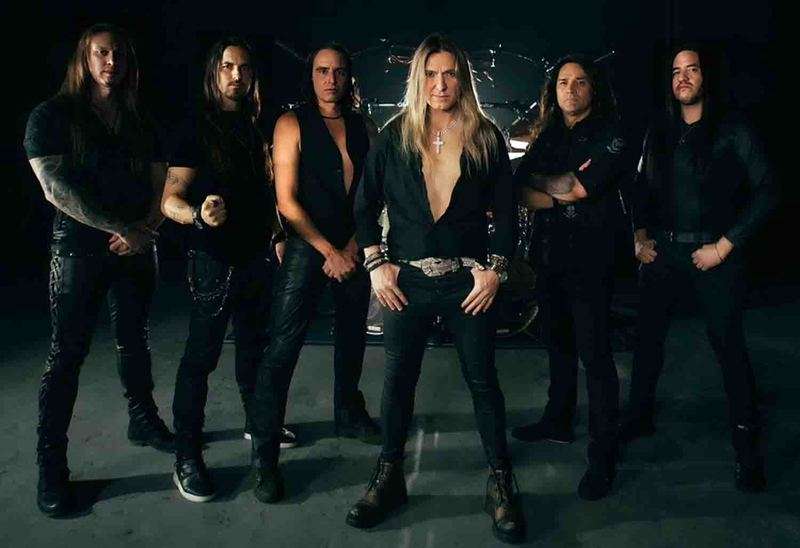
Year : 2017 Style : Melodic Power Metal Country : Brazil Audio : 320 kbps + front Size : 152 mb
Bio:
Eduardo "Edu" Falaschi (born May 18, 1972) is a Brazilian singer best known for his work as lead singer and songwriter with the São Paulo-based band Angra. He is also noted for his solo band Almah, which started as a side project featuring a number of guest musicians and is now his main and only band.When he was one year old, Falaschi's parents moved to Rio de Janeiro, where he lived until the age of 12. His mother decided to move back to São Paulo, and then São Vicente, influenced by factors including the death of Falaschi's father.Falaschi's first experience with music began as a child. Some of his relatives were non-professional musicians, and he used to sing with his father and uncles during family meetings. By the time he was 14 years old, he was taking guitar lessons, and his interest in music increased. Although he was strongly influenced by the singers Ronnie James Dio and Bruce Dickinson, Falaschi decided to play instrumental songs instead.He played the drums for six months in a blues band with his friends, and he also played bass and guitar and sang backing vocals in a cover band. In 1989, he was invited by school friends to join a band as a singer to play at a music contest. They recorded a demo tape and played for 5,000 people. Subsequently, in 1990, some of the band members decided to form Mitrium, a rock band, in which they played their own compositions.Mitrium began Falaschi's professional career as vocalist and composer. In 1991, they recorded their first demo tape with the song "Just Remember". Afterwards, they recorded the second demo with the songs "The Shadows" and "You Can Choose The Side of Darkness", both written by Eduardo Falaschi.The band grew quickly in São Vicente, so they decided to look for opportunities in São Paulo, where they signed a record deal with a record company which released a split-LP called Eyes of Time with four tracks: "Eyes of Time", "Run From the Fire", "Lives So Close" and "The Shadows", all of them written by Falaschi.In 1994, the heavy metal band Iron Maiden was looking for a new singer through an international contest sponsored by the band, resulting in thousands of tapes being sent in by would-be rock stars. With the increasing recognition of Mitrium, Falaschi had the chance of taking part in the contest. Unexpectedly, he was one of the selected singers from Brazil (along with Andre Matos, then vocalist of Angra) and later from all around the world, getting in contact with Dick Bell, production director of Iron Maiden Holding LTD. In the end, the band did not pick Falaschi.In spite of the professional career success, on August 5, 1994 Falaschi was forced to leave Mitrium due to personal problems, but he kept playing just for fun with his friends, and later recorded a demo, with eight simple rock n' roll songs with a band called Opium.Falaschi decided to take a break for almost four years. In the middle of 1998, he was invited by the band Symbols to produce their first album. The leader of the band was Tito Falaschi, his brother. Falaschi ended up producing the album and also being a member of the band. While their first album self-titled Symbols was being released, he was invited to perform in the album Ordinary Existence by Venus. In 2000, Symbols released their second album, called Call to the End.The Brazilian band Angra was looking for new members, and after a trial among other vocalists, Falaschi was invited to join the band in 2001. As in 2012, Edu left the band due to problems within it.In 2006, under the project name Almah, he released his first solo album, self-titled. In 2008, as a full band, Almah released their second album, Fragile Equality.
Album:
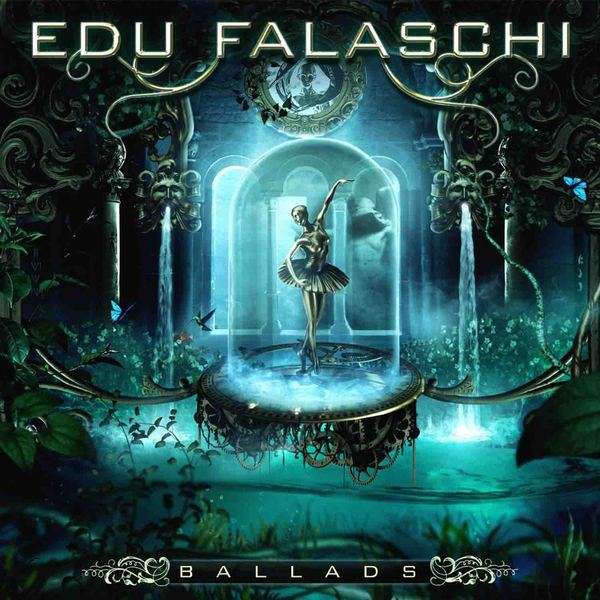
Edu Falaschi is known worldwide as one of the most important "Rock Ballad" composers! The singer and composer created lots of beautiful ballads that conquered many romantic Angra and Almah fans around the globe! This amazing "Best of" presents his most sensible composer side. Here you can find all the feeling and passion from the artist universe. A totally new and unreleased song (Demo Version) was included, it's AS SWEET AS YOUR SMILE, an amazing love song composed by the singer for his own wedding ceremony.
Line Up:
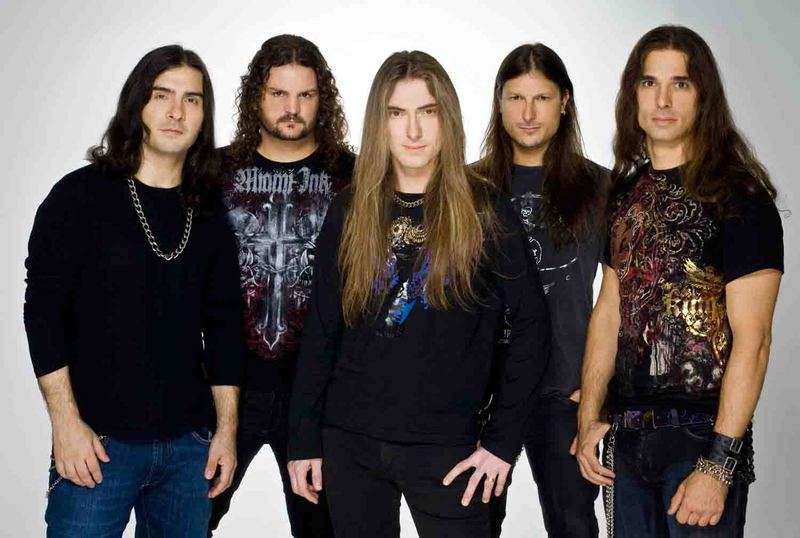
Edu Falaschi Vocals, Guitars, Keyboards (2006-present) See also: Almah, Stardust Reverie, ex-Mitrium, ex-Venus, ex-Angra, ex-Symbols
Tracklist:
01. Bleeding Heart 02. Warm Wind 03. Wishing Well 04. Forgotten Land 05. Heroes of Sand 06. Primitive Chaos 07. Lease of Life 08. Breathe 09. Almah 10. Breaking Ties 11. Farewell 12. Late Night in 85' 13. All I Am 14. Shade of My Soul 15. When and Why 16. As Sweet as Your Smile (Demo Version) (Bonus Track)
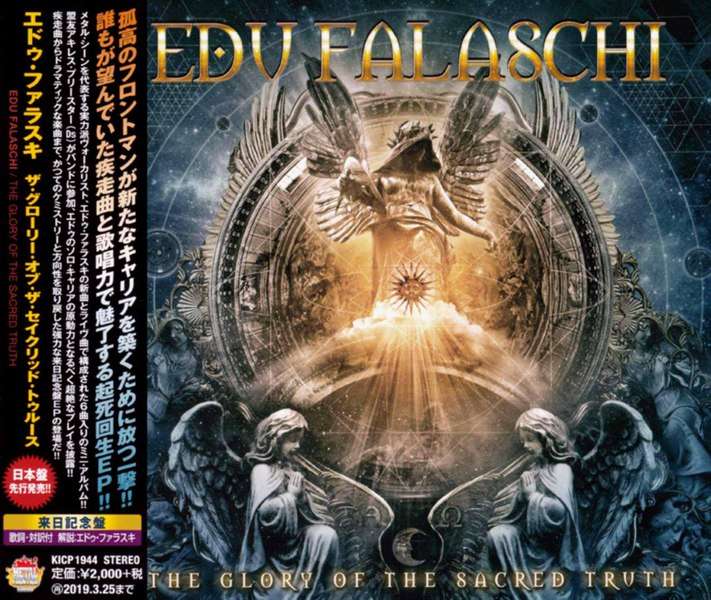
Edu Falaschi - The Glory Of The Sacred Truth (EP) (Japan Edition) (2018)
Year : 2018 (Japan Edition) Style : Melodic Power Metal Country : Brazil Audio : 320 kbps + all scans + Video Size : 136 mb
Bio:
Eduardo "Edu" Falaschi (born May 18, 1972) is a Brazilian singer best known for his work as lead singer and songwriter with the São Paulo-based band Angra. He is also noted for his solo band Almah, which started as a side project featuring a number of guest musicians and is now his main and only band.When he was one year old, Falaschi's parents moved to Rio de Janeiro, where he lived until the age of 12. His mother decided to move back to São Paulo, and then São Vicente, influenced by factors including the death of Falaschi's father.Falaschi's first experience with music began as a child. Some of his relatives were non-professional musicians, and he used to sing with his father and uncles during family meetings. By the time he was 14 years old, he was taking guitar lessons, and his interest in music increased. Although he was strongly influenced by the singers Ronnie James Dio and Bruce Dickinson, Falaschi decided to play instrumental songs instead.He played the drums for six months in a blues band with his friends, and he also played bass and guitar and sang backing vocals in a cover band. In 1989, he was invited by school friends to join a band as a singer to play at a music contest. They recorded a demo tape and played for 5,000 people. Subsequently, in 1990, some of the band members decided to form Mitrium, a rock band, in which they played their own compositions.Mitrium began Falaschi's professional career as vocalist and composer. In 1991, they recorded their first demo tape with the song "Just Remember". Afterwards, they recorded the second demo with the songs "The Shadows" and "You Can Choose The Side of Darkness", both written by Eduardo Falaschi.The band grew quickly in São Vicente, so they decided to look for opportunities in São Paulo, where they signed a record deal with a record company which released a split-LP called Eyes of Time with four tracks: "Eyes of Time", "Run From the Fire", "Lives So Close" and "The Shadows", all of them written by Falaschi.In 1994, the heavy metal band Iron Maiden was looking for a new singer through an international contest sponsored by the band, resulting in thousands of tapes being sent in by would-be rock stars. With the increasing recognition of Mitrium, Falaschi had the chance of taking part in the contest. Unexpectedly, he was one of the selected singers from Brazil (along with Andre Matos, then vocalist of Angra) and later from all around the world, getting in contact with Dick Bell, production director of Iron Maiden Holding LTD. In the end, the band did not pick Falaschi.In spite of the professional career success, on August 5, 1994 Falaschi was forced to leave Mitrium due to personal problems, but he kept playing just for fun with his friends, and later recorded a demo, with eight simple rock n' roll songs with a band called Opium.Falaschi decided to take a break for almost four years. In the middle of 1998, he was invited by the band Symbols to produce their first album. The leader of the band was Tito Falaschi, his brother. Falaschi ended up producing the album and also being a member of the band. While their first album self-titled Symbols was being released, he was invited to perform in the album Ordinary Existence by Venus. In 2000, Symbols released their second album, called Call to the End.The Brazilian band Angra was looking for new members, and after a trial among other vocalists, Falaschi was invited to join the band in 2001. As in 2012, Edu left the band due to problems within it.In 2006, under the project name Almah, he released his first solo album, self-titled. In 2008, as a full band, Almah released their second album, Fragile Equality.
Album:
Internationally renowned Brazilian power vocalist Edu Falaschi (ex-Angra, Almah) has released a video for "The Glory Of The Sacred Truth", the title track of his EP, and featuring a performance by the musicians from his solo Rebirth Of Shadows tour.These tracks from the EP are the first recordings in 10 years that Edu Falaschi, Aquiles Priester and Fabio Laguna perform together. The songs are "The Glory Of Sacred Truth" and "Streets Of Florence".The video for "The Glory Of The Sacred Truth" was recorded and directed by Junior Carelli of Foggy Films and was filmed in a helipad of a building in São Bernardo do Campo.“A song is very strong, melodic and fast, a traditional” Power Metal “! I composed a song like the idea to continue the story, from Achilles and Fabio suffered during our times of Angra! The atmosphere of this song brings pros that a powerful and vibrant energy that makes people want to “shake” and express all their greatest emotions and fury! The letter mai is to be just in the heart to the mind of the mind! The song is about “Fake News”, which is very common nowadays when people, cowardly, try to inspire themselves to other things using lies and false information, is a horrible thing to do especially when you have no chance to defend yourself ! This world of the Internet, this world is easy, everything is very fast and all the lies turn into truth, which makes the TRUTH worth GOLD and be SACRED in the present day!
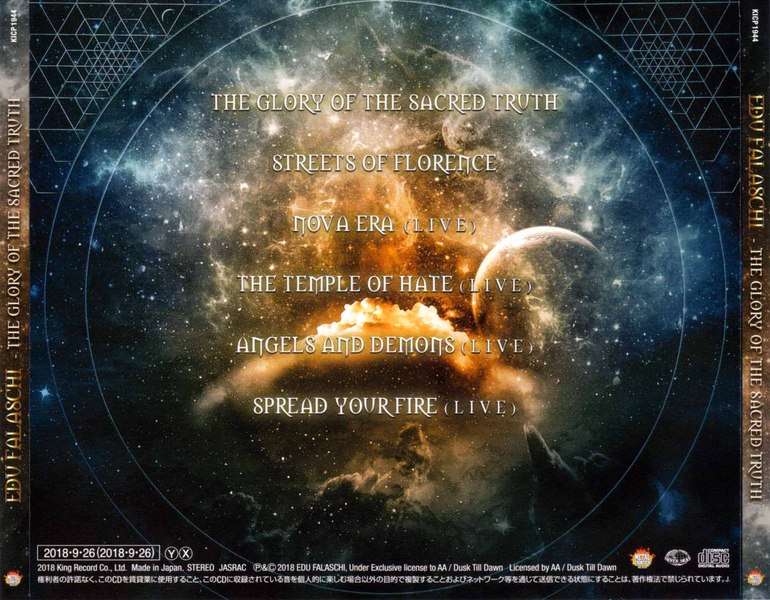
01. The Glory Of The Sacred Truth 02. Streets Of Florence 03. Nova Era (Live) 04. The Temple Of Hate (Live) 05. Angels and Demons (Live) 06. Spread Your Fire (Live)
+ Video "The Glory Of The Sacred Truth" (Official Video)
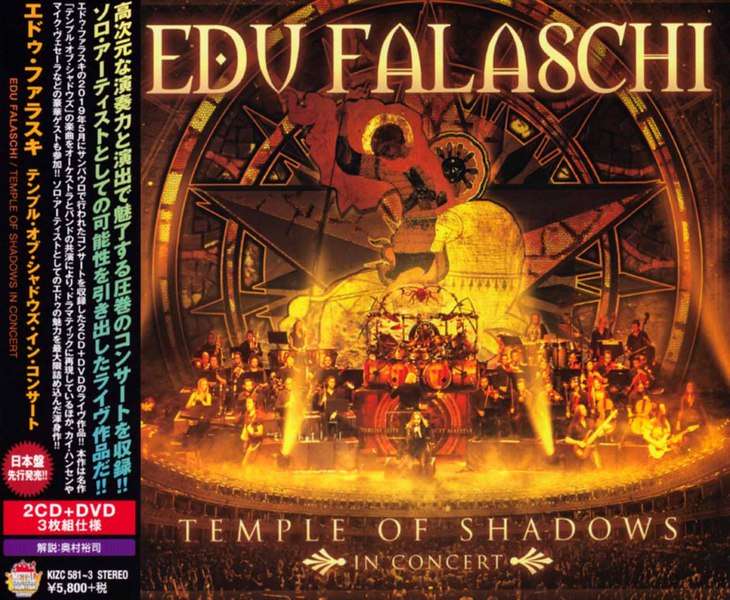
Edu Falaschi - Temple Of Shadows In Concert (2CD) (Japan Boxset Edition) (2020)
Year : 2020 (Japan Boxset Edition) Style : Melodic Power Metal Country : Brazil Audio : 320 kbps + all scans Size : 223 mb
Bio:
Eduardo "Edu" Falaschi (born May 18, 1972) is a Brazilian singer best known for his work as lead singer and songwriter with the São Paulo-based band Angra. He is also noted for his solo band Almah, which started as a side project featuring a number of guest musicians and is now his main and only band.When he was one year old, Falaschi's parents moved to Rio de Janeiro, where he lived until the age of 12. His mother decided to move back to São Paulo, and then São Vicente, influenced by factors including the death of Falaschi's father.Falaschi's first experience with music began as a child. Some of his relatives were non-professional musicians, and he used to sing with his father and uncles during family meetings. By the time he was 14 years old, he was taking guitar lessons, and his interest in music increased. Although he was strongly influenced by the singers Ronnie James Dio and Bruce Dickinson, Falaschi decided to play instrumental songs instead.He played the drums for six months in a blues band with his friends, and he also played bass and guitar and sang backing vocals in a cover band. In 1989, he was invited by school friends to join a band as a singer to play at a music contest. They recorded a demo tape and played for 5,000 people. Subsequently, in 1990, some of the band members decided to form Mitrium, a rock band, in which they played their own compositions.Mitrium began Falaschi's professional career as vocalist and composer. In 1991, they recorded their first demo tape with the song "Just Remember". Afterwards, they recorded the second demo with the songs "The Shadows" and "You Can Choose The Side of Darkness", both written by Eduardo Falaschi.The band grew quickly in São Vicente, so they decided to look for opportunities in São Paulo, where they signed a record deal with a record company which released a split-LP called Eyes of Time with four tracks: "Eyes of Time", "Run From the Fire", "Lives So Close" and "The Shadows", all of them written by Falaschi.In 1994, the heavy metal band Iron Maiden was looking for a new singer through an international contest sponsored by the band, resulting in thousands of tapes being sent in by would-be rock stars. With the increasing recognition of Mitrium, Falaschi had the chance of taking part in the contest. Unexpectedly, he was one of the selected singers from Brazil (along with Andre Matos, then vocalist of Angra) and later from all around the world, getting in contact with Dick Bell, production director of Iron Maiden Holding LTD. In the end, the band did not pick Falaschi.In spite of the professional career success, on August 5, 1994 Falaschi was forced to leave Mitrium due to personal problems, but he kept playing just for fun with his friends, and later recorded a demo, with eight simple rock n' roll songs with a band called Opium.Falaschi decided to take a break for almost four years. In the middle of 1998, he was invited by the band Symbols to produce their first album. The leader of the band was Tito Falaschi, his brother. Falaschi ended up producing the album and also being a member of the band. While their first album self-titled Symbols was being released, he was invited to perform in the album Ordinary Existence by Venus. In 2000, Symbols released their second album, called Call to the End.The Brazilian band Angra was looking for new members, and after a trial among other vocalists, Falaschi was invited to join the band in 2001. As in 2012, Edu left the band due to problems within it.In 2006, under the project name Almah, he released his first solo album, self-titled. In 2008, as a full band, Almah released their second album, Fragile Equality.
Album:
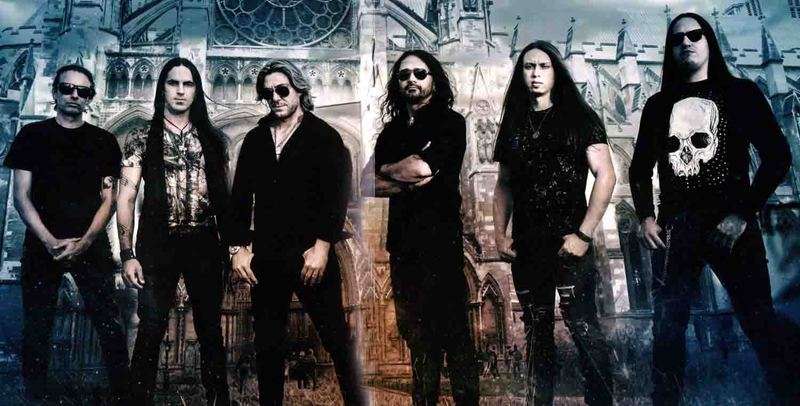
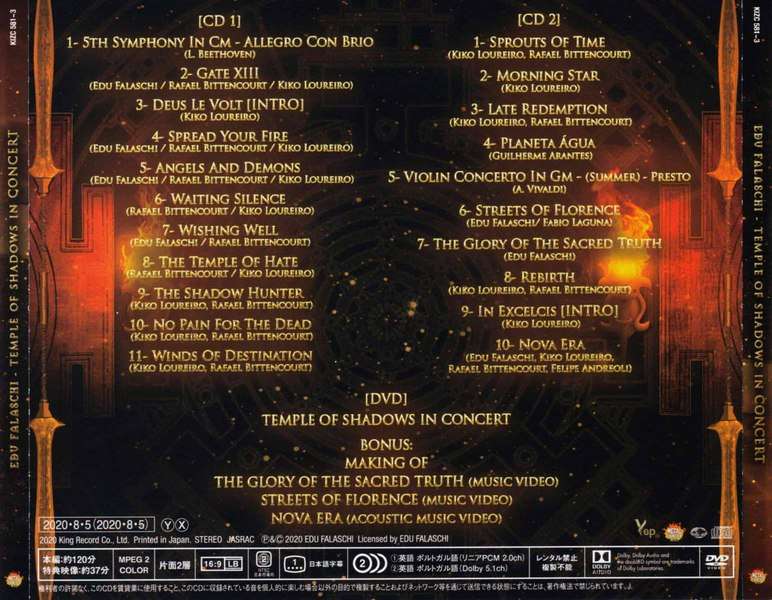
In celebration of the 15th anniversary of the Temple of Shadows album, renowned former Angra vocalist Edu Falaschi, along with the Bachiana Philharmonic Orchestra ruled by acclaimed conductor João Carlos Martins, proudly announces for 2019 the most historic and emblematic tour for the fans of Edu Falaschi and João Carlos Martins. To celebrate this union between Heavy Metal and Erudite, the Sao Paulo show, which will take place on May 4, 2019, at Tom Brasil, will be recorded in a video for worldwide release on DVD. Check out the service of the DVD recording show in SP below.The Temple of Shadows In Concert, which will glorify the union between the Heavy Metal and the erudite in an epic and masterful way, will fully tell one of the most important albums of Angra’s discography with Edu Falaschi and Aquiles Priester. In addition to the songs of “Temple of Shadows”, there will also be some iconic compositions from Edu’s career with Angra, works by important composers of erudite music, among other surprises in a format never seen in Brazil.More tour dates will be announced shortly. The current line-up formed by Edu Falaschi for his solo career is composed by Aquiles Priester (drums), Fabio Laguna (keyboards), Roberto Barros (guitar), Diogo Mafra (guitar) and Raphael Dafras (bass).“It’s a great dream come true for all of us musicians and fans of Temple Of Shadows to make a DVD with one of the world’s greatest orchestras by the unparalleled conductor João Carlos Martins, we will have an impeccable production, playing the album in full and with several guests special! I never imagined that my solo career would take that proportion, I only have to thank all those who have always been there for me! 2019 will be epic and unforgettable! “Said vocalist Edu Falaschi.
Kai Hansen* (Gamma Ray/Helloween/Avantasia) Mike Vescera (Malmsteen/Loudness) Sabine Edelsbacher* (Edenbridge) Guilherme Arantes (Brazilian Solo Artist) Tiago Minero (Brazilian Pianist)
Tracklist:
CD1:
01. 5th Symphony In Cm – Allegro Con Brio 02. Gate XIII 03. Deus Le Volt 04. Spread Your Fire 05. Angels and Demons 06. Waiting Silence 07. Wishing Well 08. The Temple Of Hate 09. The Shadow Hunter 10. No Pain For The Dead 11. Winds Of Destination
CD2:
01. Sprouts Of Time 02. Morning Star 03. Late Redemption 04. Planeta Água 05. Violin Concert In Gm – The Four Seasons (Summer-Presto) 06. Streets Of Florence 07. The Glory Of The Sacred Truth 08. Rebirth 09. In Excelcis 10. Nova Era
Year : 2021 (Japan Edition) Style : Melodic Power Metal Country : Brazil Audio : 320 kbps + all scans Size : 135 mb
Bio:
Eduardo "Edu" Falaschi (born May 18, 1972) is a Brazilian singer best known for his work as lead singer and songwriter with the São Paulo-based band Angra. He is also noted for his solo band Almah, which started as a side project featuring a number of guest musicians and is now his main and only band.When he was one year old, Falaschi's parents moved to Rio de Janeiro, where he lived until the age of 12. His mother decided to move back to São Paulo, and then São Vicente, influenced by factors including the death of Falaschi's father.Falaschi's first experience with music began as a child. Some of his relatives were non-professional musicians, and he used to sing with his father and uncles during family meetings. By the time he was 14 years old, he was taking guitar lessons, and his interest in music increased. Although he was strongly influenced by the singers Ronnie James Dio and Bruce Dickinson, Falaschi decided to play instrumental songs instead.He played the drums for six months in a blues band with his friends, and he also played bass and guitar and sang backing vocals in a cover band. In 1989, he was invited by school friends to join a band as a singer to play at a music contest. They recorded a demo tape and played for 5,000 people. Subsequently, in 1990, some of the band members decided to form Mitrium, a rock band, in which they played their own compositions.Mitrium began Falaschi's professional career as vocalist and composer. In 1991, they recorded their first demo tape with the song "Just Remember". Afterwards, they recorded the second demo with the songs "The Shadows" and "You Can Choose The Side of Darkness", both written by Eduardo Falaschi.The band grew quickly in São Vicente, so they decided to look for opportunities in São Paulo, where they signed a record deal with a record company which released a split-LP called Eyes of Time with four tracks: "Eyes of Time", "Run From the Fire", "Lives So Close" and "The Shadows", all of them written by Falaschi.In 1994, the heavy metal band Iron Maiden was looking for a new singer through an international contest sponsored by the band, resulting in thousands of tapes being sent in by would-be rock stars. With the increasing recognition of Mitrium, Falaschi had the chance of taking part in the contest. Unexpectedly, he was one of the selected singers from Brazil (along with Andre Matos, then vocalist of Angra) and later from all around the world, getting in contact with Dick Bell, production director of Iron Maiden Holding LTD. In the end, the band did not pick Falaschi.In spite of the professional career success, on August 5, 1994 Falaschi was forced to leave Mitrium due to personal problems, but he kept playing just for fun with his friends, and later recorded a demo, with eight simple rock n' roll songs with a band called Opium.Falaschi decided to take a break for almost four years. In the middle of 1998, he was invited by the band Symbols to produce their first album. The leader of the band was Tito Falaschi, his brother. Falaschi ended up producing the album and also being a member of the band. While their first album self-titled Symbols was being released, he was invited to perform in the album Ordinary Existence by Venus. In 2000, Symbols released their second album, called Call to the End.The Brazilian band Angra was looking for new members, and after a trial among other vocalists, Falaschi was invited to join the band in 2001. As in 2012, Edu left the band due to problems within it.In 2006, under the project name Almah, he released his first solo album, self-titled. In 2008, as a full band, Almah released their second album, Fragile Equality.
Album:
Vera Cruz, Edu Falaschi's first solo album, was sold as a new classic of Brazilian metal, which generated a very high level of expectation. With its release, the question is inevitable: does the album deliver what it promised? The answer is not simple.For those who are power metal fans, Vera Cruz will sound like a perfect work. Together with a phenomenal band formed by the guitarists Roberto Barros and Diogo Mafra, the bassist Raphael Dafras, the keyboardist Fábio Laguna and the drummer Aquiles Priester, Falaschi delivers an extremely technical album, with an epic and grand sonority that revisits and gets inspired in his thirty years of career, reaching a result that will please in full who follows the vocalist's trajectory.Musically, we can notice a clear inspiration in the already classic Temple of Shadows, Edu and Achilles' second album with Angra, released in September 2004. The instruments timbres and the songs structure itself bring to mind an album from almost two decades ago, but this does not compromise the final result. Another point is that the Temple of Shadows approach is intensified in Vera Cruz, with emphasis on the technical part, which explores in depth the virtuosity of the musicians. This aspect brings the album closer to the Dragonforce universe, as if Edu Falaschi's new work were the fruit of the union between Angra and the English band led by the guitarist Herman Li. What you hear is a kind of extreme power metal, with all the characteristics of the style properly accentuated. For this reason, who is not a fan of this kind of music will probably not like Vera Cruz, since its sonority does not make concessions and, as already said, dives deeply into the technical side, which can be understood as exaggerated and unnecessary "frying" by the public.On the conceptual side, the record explores the discovery of Ilha de Vera Cruz by the Portuguese in 1500. This area comprised part of the north-east coast of Brazil, the location of Monte Pascoal, the first piece of land in the New World sighted by the Portuguese and reported in the historic letter written by Pero Vaz de Caminha and sent to the Portuguese crown. The Ilha de Vera Cruz ended up evolving and having more areas discovered, revealing itself to be a gigantic portion of land that would be baptised as Brazil. The concept of the lyrics was created by Edu Falaschi and developed by Fabio Caldeira, vocalist of Maestrick. The album was produced by Thiago Bianchi (Noturnall, ex-Shaman) and mixed by Dennis Ward (who worked with Angra on the trinity Rebirth, Temple of Shadows and Aurora Consurgens, as well as countless other names like Voodoo Circle, Unisonic and Tribuzy).Vera Cruz opens with the intro "Burden", which features narration and sound effects introducing the story. "The Ancestry" comes in next and is the fastest song on the album, and in this song the approach of the guitars even bothers a little, as the two guitarists deliver very fast solos throughout the track. But this sensation is minimized by Edu Falaschi's ability to create vocal melodies and melodic bridges, a skill that has always been clear in all his career and that here softens a little the sensation of "frying" and leads to a strong chorus that should be sung at full lungs by the audience in future concerts. Despite the excesses of the guitarist duo, "The Ancestry" is undeniably an excellent opener for the album.The pure power metal comes out in "Sea of Uncertainties", where again Falaschi shows his talent to create compositions with strong hooks that stay in the listener's mind since the first hearing. The central part features breathtaking instrumental sections, as well as solos that manage to balance melody and speed better. "Skies in Your Eyes" is the first ballad of the album and brings the singer treading a path where he has always done well, see past examples such as "Heroes of Sand", "Wishing Hell", "Bleeding Heart" and "Breaking Ties". And here it is no different, with Falaschi showing how much he knows how to compose songs that please the ear and have all the requirements to become hits.Speed returns to the order of the day in "Crosses", which is preceded by the epic intro "Frol de la Mar". With their foot down, the band shines on one of the best tracks on Vera Cruz. Extreme power metal with exquisite instrumental and a beautiful performance by Edu. The only point that bothered me a little is that Achilles' drums, always creative, here sounded more conventional than usual, maybe because of the hyperactive rhythm that ends up making turns and experimentations impossible.Great Master close the cycle dedicated to strictly pirate themes, started with the previous "Skull And Bones", with this new chapter entitled "Thy Harbour Inn". This is a very special album, as it focuses on the revival of traditional songs, seafaring ballads and acoustic songs, and for this reason it is definitely successful thanks to its peculiarity.The band have allowed themselves a tasty interlude in their career, in which in addition to softer sounds, interspersed with heavy pieces, we also find alternative versions of previous hits. The first comparison that comes to mind for such an experiment, for example, is what Elvenking did with "Two Tragedy Poets (...And A Caravan Of Weird Figures)", just to stay in folk territories and a fellow country band.The strong point of the release, as anticipated, are the songs recovered and readapted from tradition, in some cases really old. The 18th century shanty "Randy Dandy Oh" is effectively transposed into a power/folk sauce, the tavern song "All For Me Grog" retains all its irreverent cheerfulness, while with the sweet Irish ballad "Here's A Health To The Company" there is even time to be moved.Then it's back to the beat with "Leave Her Johnny" and for most of the medley of "The Shantyman's Rundown". They then revisit "Skull And Bones", the title-track of their previous album, in an acoustic key, and they also re-propose "Long John Silver" in a Radio Edit version from the same full-length.Before closing, there is also room for a reinterpretation of "Treasure Island", a famous Running Wild hit. Congratulations to Great Master for having released this original work: genuine and enjoyable, like a good drink in a tavern on the pier!
01. Burden 02:01 02. The Ancestry 05:50 03. Sea of Uncertainties 04:54 04. Skies in Your Eyes 04:25 05. Frol de la Mar 00:58 06. Crosses 04:40 07. Land Ahoy 09:40 08. Fire with Fire 06:39 09. Mirror of Delusion 05:28 10. Bonfire of the Vanities 03:29 11. Face of the Storm 07:30 12. Rainha do Luar 04:06 13. Skies in Your Eyes (Acoustic version) 04:21 (Bonus Track)
Year : 2023 Style : Melodic Power Metal Country : Brazil Audio : 320 kbps + scans Size : 142 mb
Bio:
Eduardo "Edu" Falaschi (born May 18, 1972) is a Brazilian singer best known for his work as lead singer and songwriter with the São Paulo-based band Angra. He is also noted for his solo band Almah, which started as a side project featuring a number of guest musicians and is now his main and only band.When he was one year old, Falaschi's parents moved to Rio de Janeiro, where he lived until the age of 12. His mother decided to move back to São Paulo, and then São Vicente, influenced by factors including the death of Falaschi's father.Falaschi's first experience with music began as a child. Some of his relatives were non-professional musicians, and he used to sing with his father and uncles during family meetings. By the time he was 14 years old, he was taking guitar lessons, and his interest in music increased. Although he was strongly influenced by the singers Ronnie James Dio and Bruce Dickinson, Falaschi decided to play instrumental songs instead.He played the drums for six months in a blues band with his friends, and he also played bass and guitar and sang backing vocals in a cover band. In 1989, he was invited by school friends to join a band as a singer to play at a music contest. They recorded a demo tape and played for 5,000 people. Subsequently, in 1990, some of the band members decided to form Mitrium, a rock band, in which they played their own compositions.Mitrium began Falaschi's professional career as vocalist and composer. In 1991, they recorded their first demo tape with the song "Just Remember". Afterwards, they recorded the second demo with the songs "The Shadows" and "You Can Choose The Side of Darkness", both written by Eduardo Falaschi.The band grew quickly in São Vicente, so they decided to look for opportunities in São Paulo, where they signed a record deal with a record company which released a split-LP called Eyes of Time with four tracks: "Eyes of Time", "Run From the Fire", "Lives So Close" and "The Shadows", all of them written by Falaschi.In 1994, the heavy metal band Iron Maiden was looking for a new singer through an international contest sponsored by the band, resulting in thousands of tapes being sent in by would-be rock stars. With the increasing recognition of Mitrium, Falaschi had the chance of taking part in the contest. Unexpectedly, he was one of the selected singers from Brazil (along with Andre Matos, then vocalist of Angra) and later from all around the world, getting in contact with Dick Bell, production director of Iron Maiden Holding LTD. In the end, the band did not pick Falaschi.In spite of the professional career success, on August 5, 1994 Falaschi was forced to leave Mitrium due to personal problems, but he kept playing just for fun with his friends, and later recorded a demo, with eight simple rock n' roll songs with a band called Opium.Falaschi decided to take a break for almost four years. In the middle of 1998, he was invited by the band Symbols to produce their first album. The leader of the band was Tito Falaschi, his brother. Falaschi ended up producing the album and also being a member of the band. While their first album self-titled Symbols was being released, he was invited to perform in the album Ordinary Existence by Venus. In 2000, Symbols released their second album, called Call to the End.The Brazilian band Angra was looking for new members, and after a trial among other vocalists, Falaschi was invited to join the band in 2001. As in 2012, Edu left the band due to problems within it.In 2006, under the project name Almah, he released his first solo album, self-titled. In 2008, as a full band, Almah released their second album, Fragile Equality.
Album:
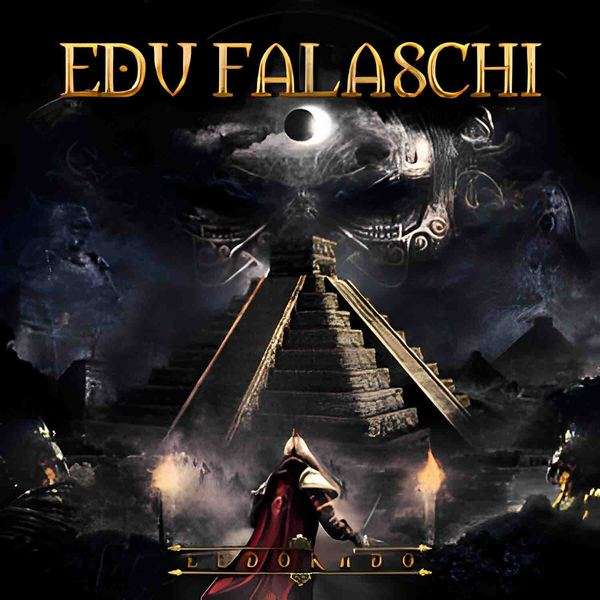
The trilogy, of which "Eldorado" is the second part, immerses listeners in a gripping saga centered on the character of Jorge, the protagonist of the previous story "Vera Cruz". This album also marks the second release of Falaschi's solo career, bringing a new dimension to his artistic expression. Blending historical elements, fiction and cinematic mix, "Eldorado" travels back in time and brings music with both Latin and Spanish influences, with unusual instrumentation and spectacular arrangements. With vocalist Edu Falaschi at the helm, the band formed by Roberto Barros (guitar), Diogo Mafra (guitar), Raphael Dafras (bass), Aquiles Priester (drums) and Fábio Laguna (keyboards), demonstrates why they are considered excellent musicians, at the same time that they have an above average musical sensitivity and melodies that captivate from the beginning.This August 23rd, 2023, the second album of this conceptual saga, "Eldorado", will be released independently. The band, composed by first class musicians and led by Edu himself, will unleash its corresponding promotional tour this August 25th, with a long sequence of dates in his native Brazil, as well as a triad of dates in Japan.Quetzalcoatl' ("God Creator of Humanity") is a beautiful intro created by Pablo Greg, which welcomes us to a work that will surely be of majestic magnitude. Once again in the line of what we were used to hear in the best intros of the band Shaman; this instrumental piece is an atmospheric orchestrated ambience, which takes us back to a temporal and spatial frame where the Aztecs dominated in an imperial way the northern region of our ancestral Latin America. Brilliant initial toe-tap!The first song per se that we will hear on this album is 'Señores Del Mar (Wield the Sword)'. It begins with an acoustic intro with a set of Spanish guitars that transports us directly (and appropriately) to Spain, as it will start its vocal phrasing with the presence of the leader and singer-songwriter of the Spanish band Mägo de Oz, José Andrëa. The first two minutes of the track emanate a constant in crescendo until it explodes in pure forcefulness with the clear trademark of the house.The song brings Latin, Spanish and flamenco influences much more than evident (intermittent with what is expected from this formation) in a full, fast and fast-paced track, traditional characteristics in progressive and melodic Power Metal albums. The band is well oiled and, with the technicality that characterizes them, they explode in the execution of each one of their instruments, giving this album a start that blows us away with this very complete piece that is about seven minutes long.'Sacrifice' says present as one of the highlights of "Eldorado". With a really progressive start and a very prominent bass throughout (but especially in the middle of the song when it gets faster and gives way to some impressive guitar solos!). Falaschi sings the track in question like in his best times, leaving his all, being accompanied on the choruses by vocals that explore a mostly symphonic profile and endow the choruses with a harmonious melodic and memorable atmosphere. These vocal phrases are only set aside to let the virtuosity of Barros and Mafra take over the instrumentation. A superb and perfectly accomplished piece, both emotionally and in execution. The cuts are superb, superb and technically executed, while Dafras' bass lines guide the groove of the whole song.A "fragile" and emotional beginning can be appreciated in 'Empty Shell', which seems to suggest that we will get into a power ballad in the style of 'Bleeding Heart' (by Angra) or 'Breath' (by Almah), and we are not wrong with that intuition. The band loses its nerve to present us (somewhat hastily) a much more emotional and sentimental cut in the fourth track of the album. With that sweetening that characterizes Falaschi's vocal timbre, the first ballad of the album is interposed between cuts of greater instrumental aptitude but does not clash with the rest of the material or with what predictably we already know of the singer-songwriter's catalog; just remember the compilation "Ballads" or the re-recordings that appear in the LP "Moonlight" to confirm the above mentioned.The solo arrives opportunely at the climax of the song, endowed with a masterful interpretation and feeling and ideally elaborated to fulfill its function in what makes the atmosphere of 'Empty Shell'. Falaschi's voice doesn't squander technicality or range in his register, but he doesn't skimp on conveying emotion while reproducing the lyrics that accompany the song. A correct piece, but it fails to reach the high bar that the band itself raised at the beginning of the album.Immediately we are ambushed by the first broadcast cut of the brand new release: 'Tenochtitlán', and this is clear and understandable, since the piece covers all the aspects that attract us to the artist. The virtuosity taken to the maximum by the rhythm section where the drummer, Aquiles Priester, takes the awards for his excellent use of the double bass drum and the opportune flash of the ride cymbals, is led by an outstanding work of solo guitars, while the verses sung by the frontman and the accompaniment of riffs executed as technically as fast, vaguely remind us of brief excerpts from the song 'Z.I.T.O.' ("Holy Land", 1996), 'Z.I.T.O.' ("Holy Land", 1996), and 'Tenochtitlán' ("Tenochtitlán", 1996). ("Holy Land", 1996).After more than three minutes of purely talented slapping by the band, the guitarists are dispatched with a versatile and sharp guitar duel that leaves no respite to the listener. These are followed by the already known neo-classical guitar solos and bass leads that the genre can offer us so correctly and exemplarily, to then meet again with the voices that close ranks of such a tremendous work of art. It is worth mentioning the magnificent work done by its keyboardist Fabio Laguna during the more than seven minutes of duration of the track.Paragraph apart for the track that shares name with the album in question. Eldorado' is, without a doubt, the most epic piece of the album. In its more than ten minutes of duration, it drags us through a grandiloquent and beautiful ride as masterful and sublime.After a slow beginning with tints of ballad, with drums and tribal pianos setting the whole scene, and a voice in off that (in Spanish) tells us the words: "I can write the saddest verses... ", automatically throws us into all the power that this "locomotive" of progressive Power Metal has us accustomed to. The bass coming in an incredible way and sublime guitar solos, to return to the incredible rhythm section's Speed Metal style rhythm section in its most enveloping form, and Pablo Greg's sparkling keyboard solos (which was not supposed to be mixed in the definitive version). This is special! Really special.Edu sounds comfortable in his comfort zone singing his melodic mid-tempo parts, while background vocals set the mood throughout. The flamenco acoustic guitars are back and beautiful as always. They clearly remind us of the lightning-fast arpeggios found on Angra's song 'The Shadow Hunter' ("Temple of Shadows", 2004), used in the instrumental segment that functions as an interlude to the song. The guitar duo's solos are the icing on the cake. Everything is in its place, an exquisite piece of art! Easily placed at the top of the album.The shortest song on the album, Q'equ'm, is an interlude that breaks the work in the middle. Sung in the Mayan language by indigenous vocalist Sara Curruchich, with clear native and indigenous overtones, with lyrics (adapted by herself to her culture) depicting the Spanish plundering of Aztec lands, and accompanied by soft string arpeggios and even more sophisticated keyboards in the background.All in all, it doesn't seem to add much to the musical framework of the album, but it does add a certain dose of drama and emotion to the theme in question, and serves as a preamble to the next track.'Reign of Bones' begins its march at full power and speed. The most virtuosic version of the group is found on it. Again we find Priester at a high level, denoting the wise inclusion that Falaschi made when deciding on the also former Angra.This is the piece that probably most resembles the most technical sound of Angra of the whole album. The keyboards and the rhythm of the arrangements give a taste of the classic melodic and neoclassical Power Metal quite clear and crystalline that so well represent the compositional ambitions of the spin off of the classic paulista group, while the vocalist's voice stands out for its melody complementing a juxtaposition between it and the rest of the instrumental section. But once again it is the guitars in the second part that take the palms and our attention; with solos that are really exhaustive and overwhelming. On the other hand, the riffs and rhythmic bases of the rest of the song are exhaustive and constant, to the point that we will feel that they give us a tenacious lesson on how to make this crossover of melodic Power Metal with Progressive Metal seem like something simple to do... although we well know that it is not.The second ballad of the LP, 'Suddenly', takes us back again to Edu in his days with Almah. A clear notion of how melodic the band can be, which seems to be looking for a "breather" after the overwhelming and crushing average rhythm of the album. Another track that doesn't seem to leave a memory trail in the annals of Falaschi's rich discographic catalog, but that works perfectly in its homogeneous and harmonious character.The solo work of the guitars brings a beautiful feeling and remarkably well embedded in the track, which ends in a fade out as fading as the ballad in question. This solo work is an apt inclusion of Edu's younger brother, Tito Falaschi (who had also made a similar contribution on "Vera Cruz", and had shared (in the late nineties) grouping with his older brother in the Power Metal band Symbols).'Wings of Light' returns to the overall feel of the plate. Dynamics take over the overall rhythm of the song and it provides a quasi-nostalgic feeling as we move into the closing of the album.The conjunction of the vocals with the guitar melodies and the keyboard bases are a functional and coordinated marvel. While the guitar solos are as beautiful as they are exalted, and the instrumental passage that Laguna applies on the piano is equally impeccable. In another order, the album finds another high point and a peak in the whole arrangement of the penultimate track.Although, instrumentally it is impeccable, it is not the best vocal work of its singer-songwriter and perhaps it would have worked better if it had been entirely instrumental. It is distinguished by following the standard of being a piece of pure fan service, which includes similar structures to 'Running Alone' ("Rebirth", 2001), and also to 'Land Ahoy' ("Vera Cruz", 2021). In short, the track is not expendable, far from bad, it is entertaining and justly instrumentally well calibrated.The new album ends with a fully orchestrated theme, with a powerful and theatrical atmosphere, and has a mid-tempo instrumental configuration. With Edu Falaschi's totally emotionally devastating performance, and with a superb and appropriate piano work, this symphonic power ballad works as an epilogue so brutally that it evidences the end of the work, in which we could imagine the credits of the work with this piece as a backdrop.An anthological ending to an equally anthological work.
Line Up:
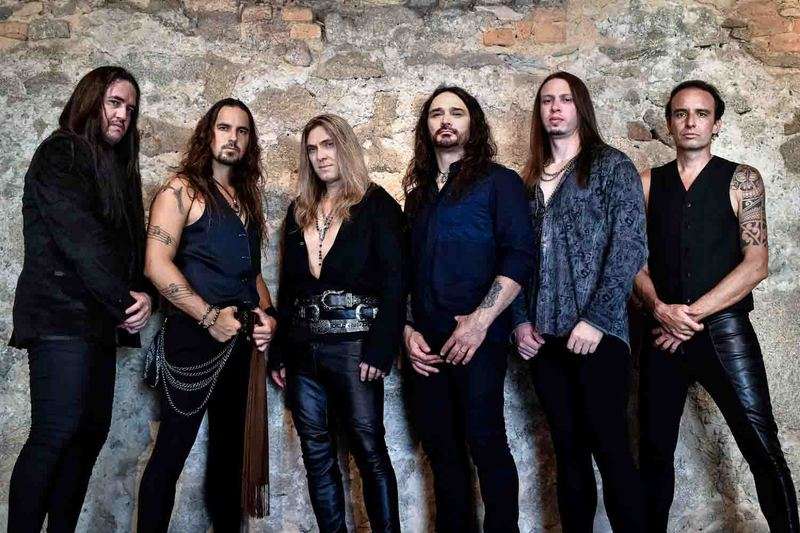
Edu Falaschi - Vocals, Guitars (acoustic) (2015-present) - See also: ex-Almah, ex-Mitrium, ex-Venus, ex-Angra, ex-Kamelot (live), ex-Symbols Raphael Dafras - Bass (2017-present) - See also: All Things Fallen, Harmony, No Other God, Rick Barros, Seven Horizons, ex-Almah, ex-Auryah, ex-Rec/All (live), ex-Aquiles Priester & Os Malditos - Iron Maiden Tribute Roberto Barros - Guitars (2017-present) - See also: ex-Aquiles Priester & Os Malditos - Iron Maiden Tribute, ex-Ceremonya, ex-Estação 12 Diogo Mafra - Guitars (2017-present) - See also: Dynahead, ex-Almah, ex-Rec/All (live) Fábio Laguna - Keyboards (2017-present) - See also: Fábio Laguna, ex-Hangar, ex-Lince, ex-Freakeys, ex-Tierramystica, ex-Angra (live), ex-Almah (live), ex-Brotherhood (live), ex-Aquiles Priester & Os Malditos - Iron Maiden Tribute, ex-Victoria Aquiles Priester - Drums (2017-present) - See also: Aquiles Priester | Gustavo Carmo, Fábio Laguna (live), Tony MacAlpine (live), W.A.S.P. (live), ex-Di'Anno, ex-Hangar, ex-Blackwelder, ex-Freakeys, ex-Midas Fate, ex-Angra, ex-Barque of Dante, ex-Noturnall, ex-Paul Di'Anno, ex-Primal Fear, ex-Spartacus, ex-DragonForce (live), ex-Almah (live), ex-About 2 Crash, ex-Aquiles Priester & Os Malditos - Iron Maiden Tribute, ex-Ecos do Silêncio, ex-Lucas Scariotys, ex-Stylo Livre
+ guests:
Jose Andrea - Vocals Mi Alvelli - Vocals (backing) Pablo Greg - Orchestrations Junior "Juninho" Carelli - Piano Raissa Ramos - Vocals (backing) Fabio Caldeira - Vocals (backing)
Dennis Ward - Mastering, Mixing
Tracklist:
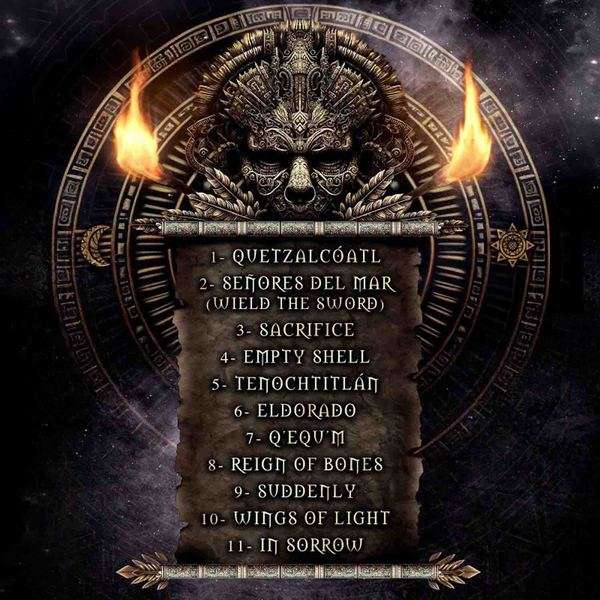
01. Quetzalcóatl 02. Señores Del Mar (Wield The Sword) 03. Sacrifice 04. Empty Shell 05. Tenochtitlán 06. Eldorado 07. Q'EQU'M 08. Reign of Bones 09. Suddenly 10. Wings of Light 11. In Sorrow
Year : 2026 Style : Melodic Power Metal Country : Brazil Audio : 320 kbps + front Size : 123 mb
Bio:
Eduardo "Edu" Falaschi (born May 18, 1972) is a Brazilian singer best known for his work as lead singer and songwriter with the São Paulo-based band Angra. He is also noted for his solo band Almah, which started as a side project featuring a number of guest musicians and is now his main and only band.When he was one year old, Falaschi's parents moved to Rio de Janeiro, where he lived until the age of 12. His mother decided to move back to São Paulo, and then São Vicente, influenced by factors including the death of Falaschi's father.Falaschi's first experience with music began as a child. Some of his relatives were non-professional musicians, and he used to sing with his father and uncles during family meetings. By the time he was 14 years old, he was taking guitar lessons, and his interest in music increased. Although he was strongly influenced by the singers Ronnie James Dio and Bruce Dickinson, Falaschi decided to play instrumental songs instead.He played the drums for six months in a blues band with his friends, and he also played bass and guitar and sang backing vocals in a cover band. In 1989, he was invited by school friends to join a band as a singer to play at a music contest. They recorded a demo tape and played for 5,000 people. Subsequently, in 1990, some of the band members decided to form Mitrium, a rock band, in which they played their own compositions.Mitrium began Falaschi's professional career as vocalist and composer. In 1991, they recorded their first demo tape with the song "Just Remember". Afterwards, they recorded the second demo with the songs "The Shadows" and "You Can Choose The Side of Darkness", both written by Eduardo Falaschi.The band grew quickly in São Vicente, so they decided to look for opportunities in São Paulo, where they signed a record deal with a record company which released a split-LP called Eyes of Time with four tracks: "Eyes of Time", "Run From the Fire", "Lives So Close" and "The Shadows", all of them written by Falaschi.In 1994, the heavy metal band Iron Maiden was looking for a new singer through an international contest sponsored by the band, resulting in thousands of tapes being sent in by would-be rock stars. With the increasing recognition of Mitrium, Falaschi had the chance of taking part in the contest. Unexpectedly, he was one of the selected singers from Brazil (along with Andre Matos, then vocalist of Angra) and later from all around the world, getting in contact with Dick Bell, production director of Iron Maiden Holding LTD. In the end, the band did not pick Falaschi.In spite of the professional career success, on August 5, 1994 Falaschi was forced to leave Mitrium due to personal problems, but he kept playing just for fun with his friends, and later recorded a demo, with eight simple rock n' roll songs with a band called Opium.Falaschi decided to take a break for almost four years. In the middle of 1998, he was invited by the band Symbols to produce their first album. The leader of the band was Tito Falaschi, his brother. Falaschi ended up producing the album and also being a member of the band. While their first album self-titled Symbols was being released, he was invited to perform in the album Ordinary Existence by Venus. In 2000, Symbols released their second album, called Call to the End.The Brazilian band Angra was looking for new members, and after a trial among other vocalists, Falaschi was invited to join the band in 2001. As in 2012, Edu left the band due to problems within it.In 2006, under the project name Almah, he released his first solo album, self-titled. In 2008, as a full band, Almah released their second album, Fragile Equality.
Album:
Edu Falaschi released his new album MI'RAJ this Friday, the 12th, which concludes the fictional and conceptual trilogy, with a plot developed with the artist and writer Fábio Caldeira , a work that began with Vera Cruz (2021) and continued with Eldorado (2023). The new work delves into themes such as spiritual transcendence, identity, faith, loss, overcoming, intuition, victories and inner ascension, set in the Middle East of the 16th century.The album features some heavyweight collaborations. The title track, “MI'RAJ,” features Italian singer Veronica Bordacchiniof Fleshgod Apocalypse. Another highlight is “Circle of Dust,” which features vocals by Roy Khan (formerly ofKamelot and Conception). The song “Intuição” marks the reunion of Edu Falaschi with Rafael Bittencourtof Angra, for the first time since the album Aqua (2010). The song also represents a historic moment in Edu's career: his first original composition in Portuguese in about two decades.This new work represents the definitive conclusion of the saga built over the last few years, consolidating one of the most ambitious phases of his solo career. Mixing and mastering will be handled by renowned producer Dennis Ward, responsible for the sound design of Vera Cruz and Eldorado, as well as notable works with Helloween, Unisonic, Angra, etc.Graphic artist Carlos Fides created the cover art for MI'RAJ with a concept featuring a seer as the central figure, guardian of the Portal of the Twelve Veils who guides Jorge on his journey through the desert towards inner discovery and spiritual ascension.In an interview with Wikimetal, Edu spoke about his new work: “I’m very happy, with a feeling of mission accomplished, because it’s not easy to develop a trilogy. You have to base all the lyrics on the story, so you get stuck. You become a little limited in everything you want to say […] So, it’s a moment of satisfaction that I’m experiencing. Of mission accomplished, as I told you, and also of joy for having achieved it.”
Line Up:
Edu Falaschi - Vocals, Guitars (acoustic) (2015-present) - See also: ex-Almah, ex-Mitrium, ex-Venus, ex-Angra, ex-Kamelot (live), ex-Symbols Victor Franco - Guitars (2025-present) - See also: Odysseya, ex-Noturnall (live) Raphael Dafras - Bass (2017-present) - See also: All Things Fallen, Harmony, No Other God, Rick Barros, Seven Horizons, ex-Almah, ex-Auryah, ex-Rec/All (live), ex-Aquiles Priester & Os Malditos - Iron Maiden Tribute Jean Gardinalli - Drums (2024-present) - See also: Eigenflame, Luttera, ex-NorthTale (live)
+ guests:
Veronica Bordacchini - Female Vocals (track 3) Roy Khan - Vocals (track 7) Wagner Barbosa - Saxophone Pablo Greg - Orchestrations Rafael Bittencourt - Guitars (track 6)
Production:
Dennis Ward : Mixing, Mastering Engineer Thiago Bianchi : Recording Engineer Carlos Fides : Artwork
Tracklist:
01. Watchers of the Light 08:02 02. Here I Stand 06:29 03. Mi’raj 06:55 04. Echoes of Vows 06:41 05. Unchained 07:05 06. Intuição 04:14 07. Circle of Dust 05:10 08. On Your Own 04:22 09. Wrath into the War 04:34