
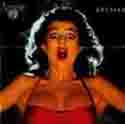



Year : 1989 (Eönian Records Edition 2025)
Style : Melodic Hard Rock
Country : United States
Audio : 320 kbps + scans
Size : 115 mb
Bio:
In the late 1970s, in the heart of Southern California’s Inland Empire, a punk band known as The Stepmothers was born, setting the stage for one of rock’s most fascinating and rebellious musical journeys. In 1978, The Stepmothers came together in Pomona, CA, and though they were far from the center of the punk scene, their music and energy would soon carve out a legend in local rock lore. In fact, it was this band that coined the term “Inland Empire” with the song on their 1981 debut album You Were Never My Age, released by Posh Boy Records.Among the band’s original members was Patrick Mullis, the powerhouse drummer who would go on to lead the formation of Los RUDEBOY. Despite the local punk scene fading and the inevitable band breakup due to egos and musical differences, Patrick’s legacy within The Stepmothers remained crucial. As punk began to fizzle out, Patrick’s connections and relationships with bands like Mötley Crüe would form the foundation of his future endeavors.Patrick had been a key player when Mötley Crüe was an opening act for The Stepmothers. His hard-driving sound and distinctive custom black Ludwig drum kit—featuring rare 26-inch kick drums- left a mark not only on Mötley Crüe but also in the larger world of rock music. Notably, Tommy Lee of Mötley Crüe borrowed Patrick's drum kit for their performance at the historic US Festival in Glen Helen Park in 1983. His iconic drums would later feature in Van Halen and Scorpions videos, thanks to longtime friend Todd Trent, a Ludwig representative.By 1985, Patrick, disillusioned with the changing music scene, found himself drawn to creating a new sound, one that captured the energetic and raw power of punk but with more accessible, catchy grooves. This was the birth of RUDEBOY—a band that would stand out for its unique fusion of punk, rock, and an edgy attitude that made them a force to be reckoned with.Patrick had a specific vision for RUDEBOY—a hard-driving rock band with a mix of raw, trashy elements that could appeal to a wider audience, including females. But it was the name that solidified his concept. At a party, a girl, in her drunken flirtation, called him a “very RUDEBOY.” At that moment, Patrick knew he had found the perfect name for his new band.David Cheek, an experienced musician, recently from Gazzarri’s headliners Control and briefly from the early The Stepmothers, joined the project soon after. Patrick had known David from their days in the LA music scene, and David was the perfect fit. The two shared a deep bond through their love of bands such like Kiss, Motörhead, AC/DC, Alice Cooper, The Cult, The New York Dolls, and Mötley Crüe. Together, they formed the core of RUDEBOY, with Patrick on drums and David on guitar.The initial lineup of RUDEBOY was tested with Steve Bodie on vocals, Bruce Bryan first and then Nicky Licata on bass, Things did not work out with Steve and so David took over on the lead vocals. Shortly thereafter they added Drake Duncan to the bass. Drake, a young punk rocker with a mohawk, had been a fan of The Stepmothers and impressed Patrick with his raw style and potential. Joining RUDEBOY at just seventeen, Drake brought fresh energy to the band.Drake’s personal struggles had forged his path to music. Growing up in a turbulent household, he found refuge in the world of punk rock, and RUDEBOY gave him a sense of purpose. Despite his difficult background, the band became his validation, and through their shared experiences, he learned the true essence of what it meant to be in a band. His bass lines would become the heartbeat of RUDEBOY as they played shows at iconic venues like The Green Door in Montclair and built their reputation.In June of 1987, shortly after Drake came on board, he recommended bringing in his friend Andy Shaw to play rhythm guitar, a move that would round out the band's sound. With this addition, the core lineup of RUDEBOY was nearly complete. The band quickly became a fixture on the L.A. music scene, playing a flurry of live shows and sharing the stage with notable acts like EZO, who were a standout, as well as The BulletBoys. RUDEBOY also made their mark at iconic venues such as the Whisky a Go Go, where they performed an impressive twenty-six times throughout 1988 alone.As the band honed its sound, Jesse Scott Davis (originally David Loren) joined as the lead vocalist after a chance encounter with Drake in Montclair Mall. Jesse, fresh off a year of touring with indie-metal band Rox Sedan, was immediately drawn to the band’s raw, unpolished sound. His powerful vocals and presence helped elevate RUDEBOY to new heights, as they embraced the sex, drugs, and rock-and-roll lifestyle synonymous with 1980s LA. The band quickly gained a following, playing house parties and legendary clubs, and soon, their performances were generating buzz.By 1988, the band was starting to attract the attention of industry insiders. Sabrina Frees-Perrin, a photographer for Metal Edge magazine, was instrumental in helping RUDEBOY land their first real break. She introduced the band to David Wayne, former lead vocalist of Metal Church, who became their manager and helped secure high-profile gigs. The band’s rising popularity led to a recording contract offer from IRS Records (MCA). However, they passed on the deal, believing that better opportunities would come. Unfortunately, no further offers materialized, and tensions within the band began to grow.In 1990, as the music scene began to shift with the rise of grunge, Drake and Andy left the band to form Texas Vamps. With their departure, Jesse and Patrick were left to carry the torch for RUDEBOY. They recruited seasoned musicians Marc Danzeisen (rhythm guitar) and Tony De La Rosa (bass) to continue pushing forward. The revamped lineup recorded new songs and shopped demos to labels, but the grunge wave was already overtaking the LA rock scene. A final showcase at the Whisky a Go Go, attended by Gilby Clarke, failed to ignite the spark they had hoped for, marking the end of RUDEBOY’s reign.Marc Danzeisen and Tony De La Rosa had come from rich musical backgrounds, playing with acts like Gilby Clarke, Riverdogs, and BulletBoys. Marc, having spent years in the industry, brought a wealth of experience to RUDEBOY’s final iteration, while Tony, who had played in Renegade and toured with bands like BulletBoys, injected new life into the band’s sound. Despite the fresh lineup and new material, the rise of grunge left little room for the glam-punk rock RUDEBOY had come to represent.Despite the band’s eventual dissolution, RUDEBOY remains a cherished memory for all involved. From their energetic shows to their raw, captivating sound, they were part of the last great wave of LA’s rock scene in the 1980s. Patrick’s dream of creating “Hard Fuggen Rock” lives on in the music that RUDEBOY left behind - a legacy of punk’s heart, rock’s soul, and a sound that was all their own.
Album:
Fancy a mixture of AC/DC style hard rock and early MÖTLEY CRÜE? Well, then RUDE BOY with “Broken Bones” probably fits the bill. The Americans from sunny California had their short but intense period in the late eighties and early nineties. The energetic title track, with its powerful rhythm section, is a must-listen. Previously only released on cassette, these songs are a successful addition to the collection. An album as it should be: loud, dirty and like a time capsule from the glory days of the legendary Sunset Strip.Disillusioned with the shifting tides of the LA music scene, RUDE BOY set out to create something raw, real, and impossible to ignore. Fueled by a love for punks’ unfiltered energy and hard rock’s swagger, they forged a sound that was both gritty and undeniably catchy. Broken Bones, their defining release, is everything a hard rock fan craves - rebellious, streetwise, and dripping with sleaze. Born from the neon-drenched chaos of the mid-’80s Sunset Strip, the album channels the hedonism and edge of the era with defiant authenticity. From the opening riff, it's clear: this isn’t overproduced pop-metal, it’s loud, dirty, and unapologetically alive.The guitars are greasy and unhinged, delivering biting riffs, memorable hooks, and raw grooves that feel as dangerous as they are infectious. The rhythm section holds tight and hits hard, driving each track like a fast car with no brakes. Vocals sneer, channeling the spirit of a whiskey-soaked frontman who’s seen too much and doesn’t care who knows it. But beyond the attitude, Broken Bones shines for its songwriting - an enduring time capsule of hard rock’s golden era before its fall.“A renewed interest began when some of our old videos resurfaced on social media. It sparked something, not just nostalgia, but a sense that, just maybe, this music still had a pulse. When Eonian Records reached out, we thought an official release would give our longtime friends and fans a chance to celebrate with us and introduce a new generation to the sound and energy of that era.” - David Cheek, lead guitar.“Releasing this collection is something I’ve wanted to do my entire life. It’s deeply personal, like opening a time capsule from a defining era in our journey as a band.” Patrick Mullis, drums.“My hope is that longtime fans will look back and smile at all the great times we shared, because it truly was one of the best chapters of our young lives. They will get a kick out of the remastered music, the in-depth look at the band with all the archival photos, as well as new videos featuring old footage. And if new fans discover RUDEBOY along the way, we are grateful for that too. There are still plenty of platforms and listeners who crave heavy, gritty music. That is the beauty of rock ’n’ roll, it keeps finding new ears.” - Jesse Dave Loren, lead vocals.“After all these years, it is amazing to see Broken Bones finally released. It proves everything we did was not for nothing. We lived through the greatest era of music, and hearing those recordings and seeing those videos I had never heard or seen before is just incredible. But what really makes it special is getting to share it all with my son.” - Drake Duncan, bass.
Line-Up:
Jesse Dave Loren - Lead Vocals (1988-1990)
David Cheek - Lead Guitar & Vocals (1985-1991)
Andy Shaw - Rhythm Guitar (1987-1990)
Marc Danzeisen - Rhythm Guitar (1990-1991)
Drake Duncan - Bass (1987-1990)
Tony De La Rosa - Bass (1990-1991)
Patrick Mullis - Drums (1985-1991)
Production:
Mixed At – Garage Studio, Fontana, CA.
Overdubbed At – Garage Studio, Fontana, CA.
Remastered At – A. Focx Productions
Manufactured By – The ADS Group – 25393-CD-0069
Art Direction, Design – Eddi Calzada, Suicide Graphix
Engineer [Engineered By] – Ron Lubben, Timmy Hagman
Executive-Producer – Ryan Northrop, Stephen Craig
Liner Notes [No Bones About It...] – Stephen Craig
Liner Notes [Stories & History By] – Rudeboy
Logo [Logo Design By] – David Cheek
Lyrics By [Lyrics Written By] – Dave Loren (tracks: 1 to 4, 6 to 11), David Cheek (3) (tracks: 1 to 4, 6 to 11), Patrick Mullis* (tracks: 1 to 4, 6 to 11)
Mixed By [Additional Mixing By] – David Cheek (3)
Music By [Music Written By] – David Cheek (3) (tracks: 1 to 4, 6 to 11)
Other [Live & Candid Photography Provided By] – Family & Friends
Photography By [Promo Photos Captured By] – Sabrina Frees-Perrin
Producer [Produced By] – Ron Lubben, Timmy Hagman
Project Manager [Project Management] – Stephen Craig
Remastered By, Mastered By – Anthony Focx
Tracking By [Additional Tracking By] – David Cheek
Written-By – Jay Lansford (tracks: 5), Steve Jones (tracks: 5)
Tracklist:
01. Eye On You
02. Broken Bones
03. Nasty Girl
04. Right Size For Love
05. Rub It In
06. Born Hard
07. The Morning After
08. Serpent Of Love
09. Noctuna Lefemme
10. Midnight Sun
11. Rudeboy
12. Glammer Rammer


Download links for all albums only on our blog here: http://goodmetalandhar.do.am/
